Bill calls for increased enforcement of Twenty-Eight Hour Law for livestock haulers
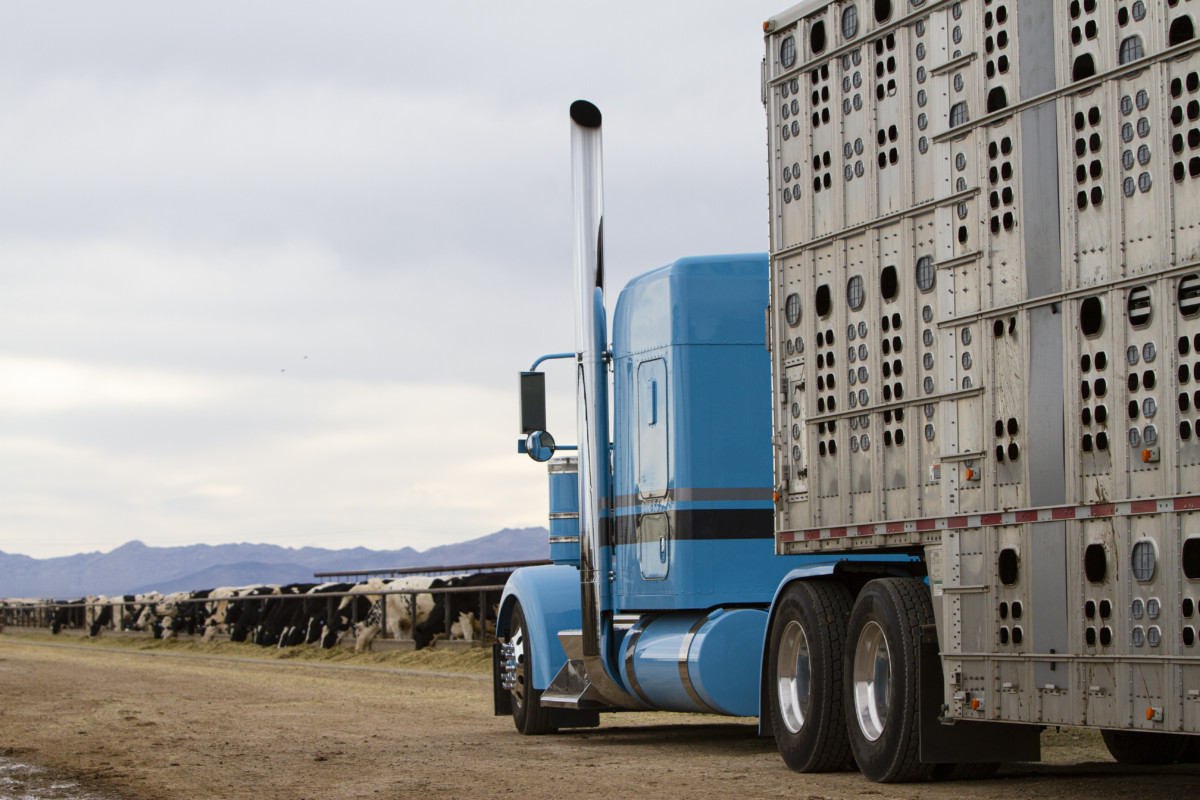
Lawmakers are considering legislation to increase animal welfare by cracking down on enforcement of the Twenty-Eight Hour Law for livestock haulers.
On September 10, Nevada Congresswoman Dina Titus announced the introduction of the Humane Transport of Farmed Animals Act.
The bill would require the U.S. Department of Transportation and the Department of Agriculture to “develop a mechanism to monitor compliance with the Twenty-Eight Hour Law, which requires animals to be offloaded for food, water, and rest if they have travelled for 28 hours or more.”
Additionally, the bill would prohibit the interstate transport of livestock deemed unfit for travel due to sickness, injury, or other conditions.
“For far too long, federal regulations requiring humane treatment of transported farm animals have not been enforced,” Congresswoman Titus said. “The Humane Transport of Farmed Animals Act would stop this lax regulation that has resulted in many animals being injured or succumbing to disease during transport.”
The bill is endorsed by a number of animal rights protection groups, including the Animal Welfare Institute , Humane World Action Fund, the American Society for the Prevention of Cruelty to Animals, and Animal Legal Defense Fund.
“Although the federal ‘Twenty-Eight Hour Law’ was original passed in 1873, it has not been meaningfully updated for over three decades, while nearly every aspect of agriculture, animal care, and interstate commerce has evolved during this time,” said Sara Amundson, president of the Humane World Action Fund. “Outdated transportation practices not only cause unnecessary stress to animals but also heighten the risk of spreading disease when sick and young animals are moved across state lines over long periods of time confined with the most minimal of care. Modernizing this law is a simple way to protect animals, strengthen safety standards, and protect public health.”