Bill seeks lifetime ban for USDOT-licensed transportation workers convicted of human trafficking
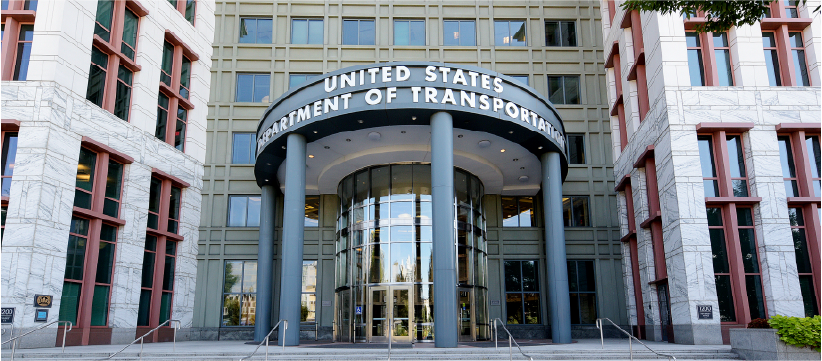
Lawmakers introduced a bill on Tuesday that seeks to permanently ban individuals convicted of human trafficking crimes from holding any license issued by the U.S. Department of Transportation (USDOT).
The Trafficker Restrictions for Aviation, Federal Freight, and Interstate Carriers (TRAFFIC) Act was introduced by U.S. Senators Marsha Blackburn and Catherine Cortez Masto, according to a November 6, 2025 announcement from lawmakers.
According to a statement from Blackburn’s office, the TRAFFIC Act would:
- Close existing gaps in federal law to include lifetime bans for all federally regulated transportation credentials.
- Apply to all licensed positions for individuals convicted of human trafficking, including locomotive conductors, pilots, and merchant mariners.
- Reinforce protections for vulnerable individuals, strengthen interagency coordination within USDOT, and ensure that America’s transportation workforce upholds the highest ethical and safety standards.
Lawmakers pointed to a 2024 USDOT report that showed that nearly 80% of international human trafficking cases involved crossing official border entry points, including approximately 34% by bus, 33% by train, 20% by airplane, 11% by car, and 1% by boat.
“Human trafficking is one of the fastest-growing illicit industries, and anyone convicted of these despicable offenses should be permanently barred from holding a federally issued transportation license,” said Senator Blackburn. “Our bipartisan TRAFFIC Act would strengthen federal law to better prevent and combat human trafficking and expand protections for vulnerable individuals.”
Lifetime restrictions are already in place for commercial drivers convicted of human trafficking. In July 2019, the Federal Motor Carrier Safety Administration (FMCSA) announced a final rule that permanently bans drivers convicted of human trafficking from operating a commercial motor vehicle.
The TRAFFIC Act is endorsed by the American Trucking Associations (ATA).
“The American Trucking Associations is proud to be a leader in the fight against the scourge of human trafficking. Nearly a decade ago, we endorsed a law banning anyone convicted of this horrific crime from operating a commercial motor vehicle. Now it is time for the rail, aviation, and maritime industries to be a part of the solution. We applaud Senators Blackburn and Cortez Masto for introducing this bipartisan bill that would close loopholes for licensed positions across our transportation network in order to crack down on predators and protect vulnerable individuals,” said ATA SVP of Legislative Affairs Henry Hanscom.