USDOT announces two hours-of-service pilot programs in push for more flexibility for truckers

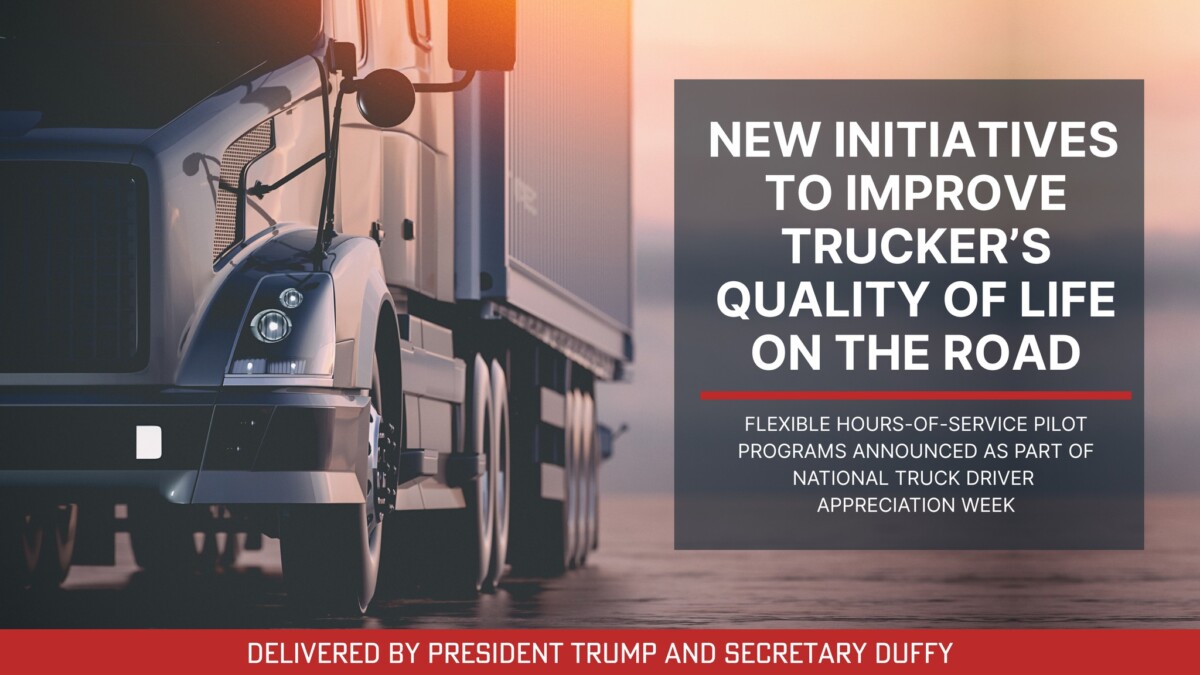
The U.S. Department of Transportation (USDOT) announced two new pilot programs intended to reshape current hours-of-service (HOS) rules to provide better quality of life for truck drivers.
On Monday, September 15, Transportation Secretary Sean Duffy announced the following two flexible HOS pilot programs as part of National Truck Driver Appreciation Week:
- Split Duty Period pilot program: This will allow participating drivers to pause their 14-hour “driving window” for no less than 30 minutes and no more than three hours. The program seeks to collect data and assess whether added flexibility can maintain or improve safety outcomes.
- Flexible Sleeper Berth pilot program: This will explore additional sleeper berth split options beyond the current “8/2” and “7/3” configurations. FMCSA will test the safety implications of allowing drivers to divide their 10-hour off-duty requirement into “6/4” and “5/5” split periods. The research will examine how these alternatives affect driver fatigue and overall safety performance in order to determine whether a wider range of rest options could benefit both drivers and the motoring public.
More than 500 commercial vehicle drivers are expected to participate in the pilot programs.
Protocol development for the two pilot programs is slated to begin in early 2026.
Duffy said that the pilot programs will help the Federal Motor Carrier Safety Administration “study increased flexibility in the current HOS regulations, which will help determine if providing drivers with greater control over their own schedule will reduce fatigue and improve safety.”
The pilot programs were initially announced in June as part of USDOT’s Pro-Trucker Package, a series of regulatory changes and initiatives “designed to improve the lives of America’s truck drivers” in response to direction from the White House for USDOT to look for ways to improve working conditions for truckers.
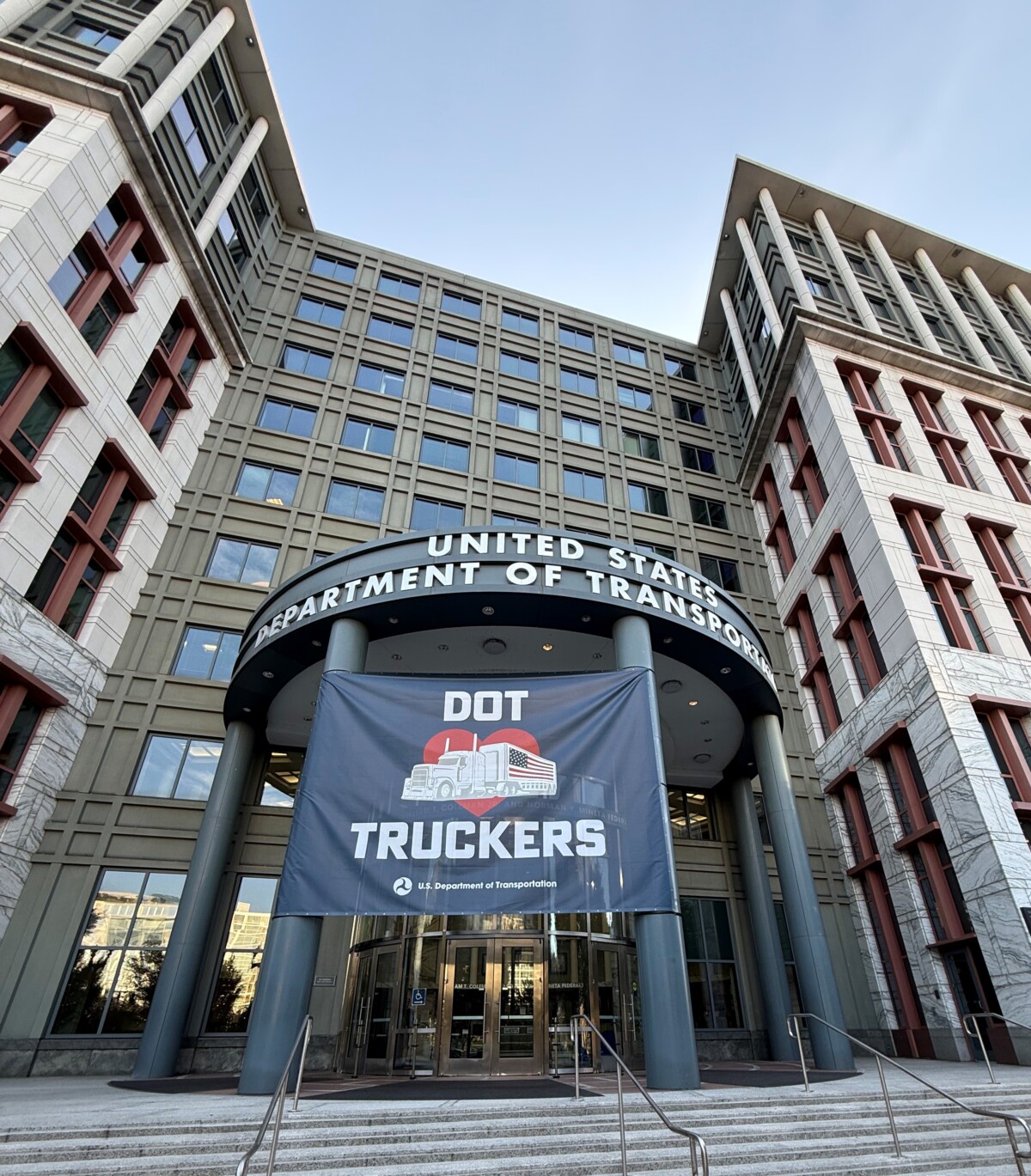
“Truck drivers are the backbone of our economy, and we owe it to them to explore smarter, data-driven policies that make their jobs safer and more enjoyable,” said Duffy.