CVSA’s updated Out-of-Service Criteria for 2026 go into effect today
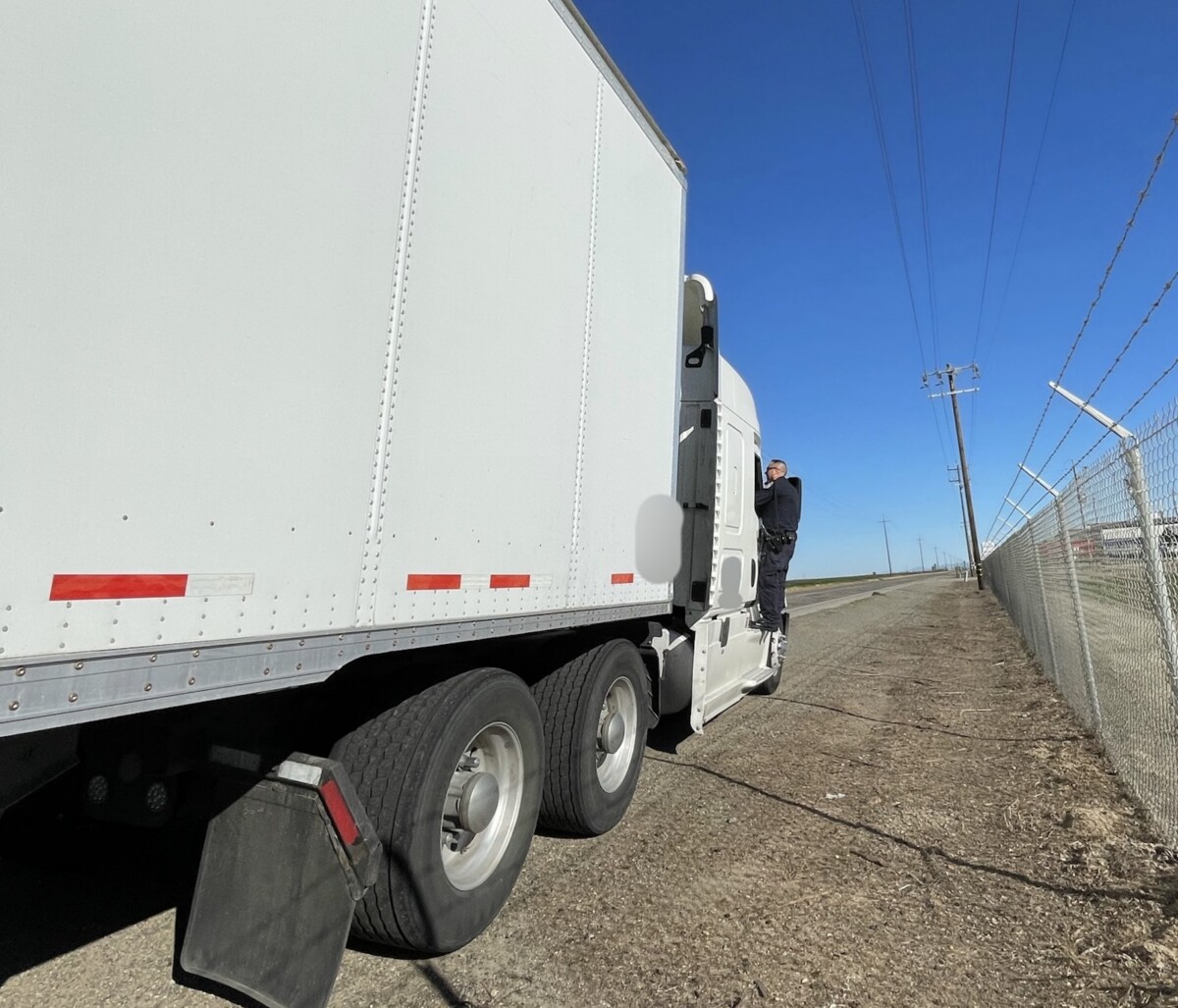
The Commercial Vehicle Safety Alliance’s (CVSA) 2026 Out-of-Service Criteria went into effect with more than a dozen changes from last year.
On April 1, 2026, the CVSA 2026 North American Standard Out-of-Service Criteria officially went into effect, replacing and superseding all previous versions.
The Out-of-Service Criteria are updated each year and are used to determine whether drivers or vehicles should be deemed an imminent hazard and removed from the roadway.
“The federal regulations, together with CVSA’s Out-Of-Service criteria, provide the standards that drivers, motor carriers and law enforcement personnel use to ensure the commercial motor vehicles and professional drivers operating on North America’s roadways are safe and compliant,” the agency said.
There are seventeen changes to the CVSA Out-of-Service Criteria, which were approved by the agency on October 17, 2025. See below for more information on these changes.
- “Part I, Item 2. Operator’s/Chauffer’s License or Permit (Non-CDL) b. and c.” and “Part I, Item 3. Commercial Driver’s License, c. and d. Endorsements and Restrictions” were amended to separate endorsements and restrictions and clarify the violation codes.
- A note on intrastate restriction was added to “Part I, Item 3. Commercial Driver’s License, c. Endorsements and Restrictions.”
- “Part I, Item. 8. Intoxicating Beverages, b. Be on Duty or Operate” was amended to state that when the driver is in possession of wine or beer with an alcohol content of 0.5% or more, or any distilled spirit, the driver is out of service.
- “Part I, Item 10. Driver’s Record of Duty Status – U.S., a. Property-Carrying Vehicles (6) and (7)” were amended regarding false records of duty status and tampering with an electronic logging device to include situations where the inspector is able to determine when the driver was driving or resting. In addition, a new out-of-service condition was added to “Part I, Item 10. Driver’s Record of Duty Status – U.S., a. Property-Carrying Vehicles (8)” and “Part I, Item 10. Driver’s Record of Duty Status – U.S., b. Passenger-Carrying Vehicles (6), (7) and (8)” for the driver or motor carrier that tampers with an electronic logging device, making it impossible to determine what events have occurred.
- The reference to automatic on-board recording devices was removed from “Part I, Item 10. Driver’s Record of Duty Status, U.S., Footnote 6” due to the removal of § 395.15 regarding automatic on-board recording devices from federal regulations.
- The note in “Part I, Item 11. Driver’s Record of Duty Status – Canada, h. No Daily Log/Record of Duty Status” was moved to “i. No Previous 14 Days” where it is more applicable.
- The out-of-service conditions in “Part II, Item 1. Brake Systems, a. Defective Brakes (2)” and “h. Air Brake Hose/Tubing (7)” were moved to the 20% defective brakes criterion section. In addition, the term “service gladhands” was changed to “service air connections” as it could be a different type of coupler.
- “Part II, Item 1. Brake Systems, a. Defective Brakes (7) Hydraulic and Electric Brakes” and “b. Front Steering Axle(s) Brakes, (4) Hydraulic Brakes – (Front Steering Axle)” were amended to better align lining thickness measurements on hydraulic and electric brakes with the federal regulations.
- “Emergency” was added to the heading “Part II, Item 1. Brake Systems, e. Parking Brake” to reflect both possible applications of the brake. It now reads “Parking/Emergency Brake.”
- The ExTe Com90 securement system was added to “Part II, Item 2. Cargo Securement, g. Logs.”
- A damage chart for wire rope was added to “Part II, Item 2. Cargo Securement, Tiedown Defect Table.”
- A section specific to countersunk screws was added to “Part II, Item 3. Coupling Devices, b. Upper Coupler (Including Kingpin).”
- Language was added to “Part II, Item 14. Wheels, Rims and Hubs, b. Rim Cracks” and “c. Disc Wheel Cracks (1)-(2)” for missing pieces of rims, and language was removed regarding center holes from the cracks between two holes.
- “Part II, Item 14. Wheels, Rims and Hubs, i. Hubs (5)” was removed because enforcement of this out-of-service condition was inconsistent.
- An out-of-service condition for exits marked as emergency exits with no operating instructions was added to “Part II, Item 16. Buses, Motorcoaches, Passenger Vans or Other Passenger-Carrying Vehicles – Emergency Exits/Electrical Cables and Systems in Engine and Battery Compartments/Seat (Temporary and Aisle Seats), a. Emergency Exits (2).”
- Language was added to “Part III, Item 2. Placarding, a. Placards Displayed on a Transport Vehicle (1)” to clarify that if a transport vehicle is missing placards for multiple divisions within the same class of material, the vehicle should be placed out of service.
- A chart was added to “Part IV, Item 4. U.S. Federal Out-Of-Service Orders” outlining the seven types of federal out-of-service orders.
You can learn more about the 2026 Out-of-Service Criteria in this CVSA letter to members outlining the rationale for the changes.