FMCSA eyes increased enforcement of drug and alcohol rules for non-CDL commercial vehicle drivers
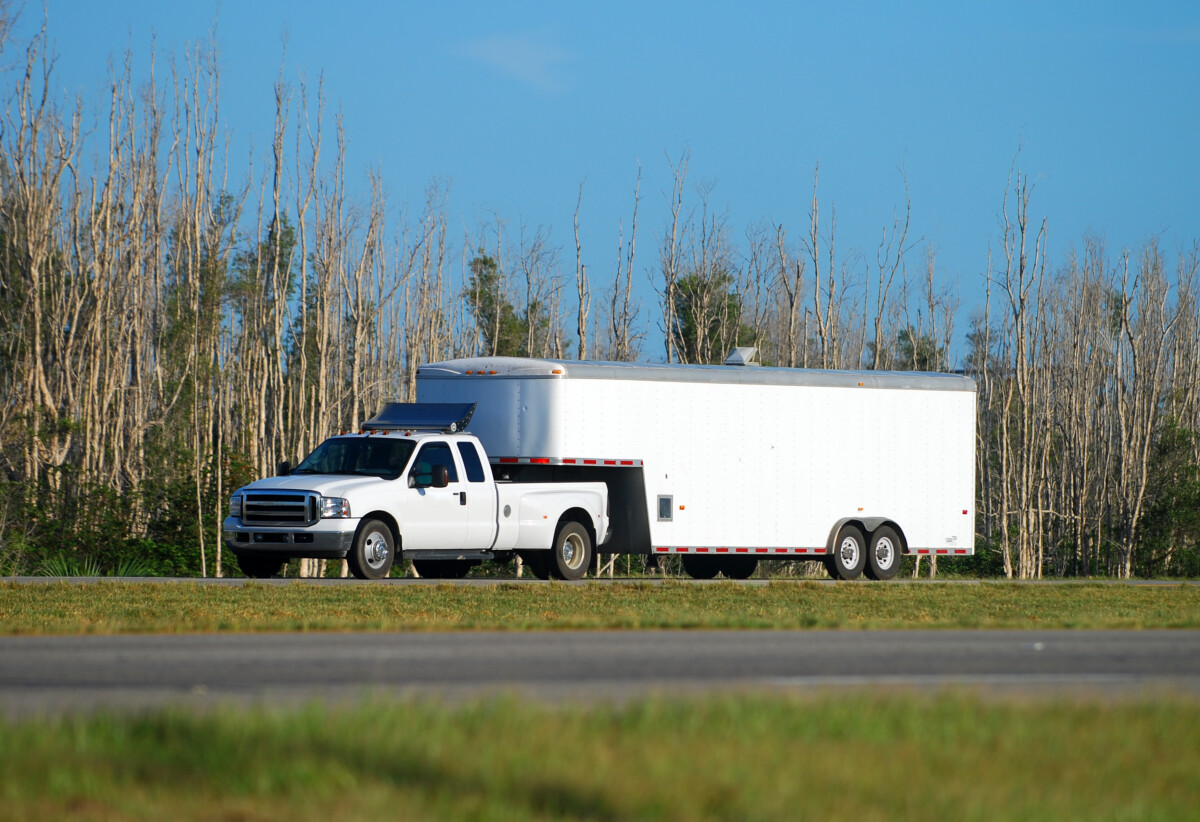
The Federal Motor Carrier Safety Administration (FMCSA) is exploring ways to increase detection and enforcement of substance use violations among non-commercial driver’s license (CDL) commercial vehicle drivers.
In a notice filed June 18, FMCSA announced a research study called “Techniques for Preventing and Enforcing Controlled Substance and Alcohol Violations Among Non-CDL Commercial Motor Vehicle (CMV) Drivers.”
As part of the study, officials will ask state partners to provide data that quantifies non-CDL CMV driver drug and alcohol violations and provides solutions for better prevention, detection, and enforcement of these violations.
The agency said that while commercial vehicle drivers who hold CDLs are subject to drug and alcohol testing rules, “non-CDL CMV drivers who operate smaller CMVs are not subject to these same requirements.”
“Adding to the complexity are the varied and inconsistent nationwide enforcement practices of alcohol and drug regulations. This underscores the need for a more unified approach to regulating and enforcing substance use policies for all CMV drivers. Strengthening oversight and ensuring consistent enforcement across states is critical to improving safety on our roads and protecting lives,” FMCSA said.
FMCSA will accept public comment on the proposed study.
FMCSA defines a non-CDL CMV as a vehicle that is used in interstate commerce and:
- Has an actual weight or weight rating over 10,000 pounds (lbs.), but does not meet the definition of a CDL-required CMV; or
- seats between 9 and 15 (including the driver) and the company is being compensated for providing the transportation; and
- does not require placards.