Illinois cattle will now need to be hauled hundreds more miles after abrupt closure of Tyson beef plant
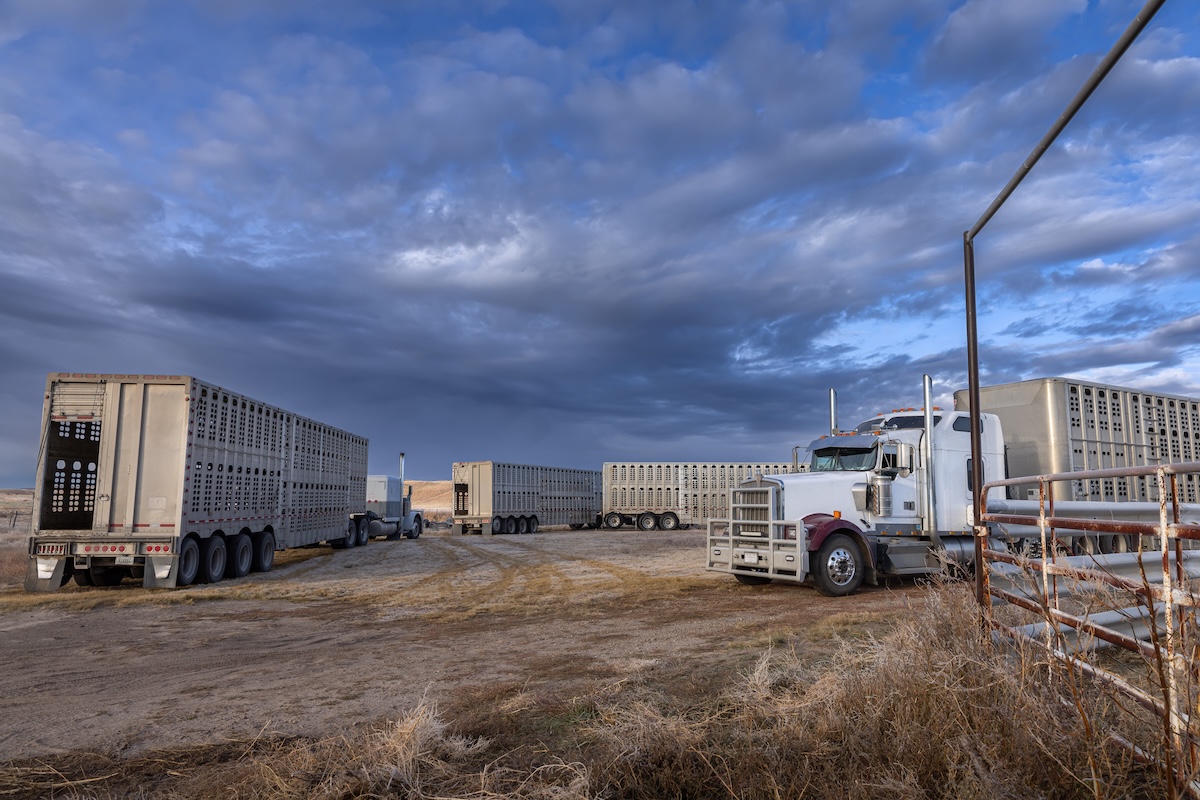
Ranchers in Illinois are scrambling to find transport solutions after the abrupt closure of the Tyson beef processing plant on Thursday.
Tyson Foods announced the closure without prior warning on Thursday, August 13th, leading to the immediate closure of the beef facility in Joslin, Illinois. Beef industry leaders say that plant closures of this magnitude typically come with a couple of months notice. The most recent example of this was the closure of Tyson’s Nebraska beef plant, where a two month notice was given before the facility shut down.
“Tyson’s announcement in Nebraska came with a two-month notice period, which gave producers time to sort pens and shift plans and do something different. This leaves a pretty hard pill to swallow,” said Josh St. Peters, executive vice president of the Illinois Beef Association and a cattle rancher himself, to Farm Progress.
Now, ranchers with cattle ready to head to market are suddenly left without a place to send their livestock. Now that the Joslin plant is closed, the nearest beef facility to the area is over 150 miles away, turning a local cattle haul into a far more serious run. Options for cattle ranchers in and around Joliet, Illinois are now extended far from the local area: Aurora Packing Company 160 miles away in North Aurora, Illinois; Iowa Premium 160 miles away in the opposite direction in Tama, Iowa; JBS 280 miles away in Michigan; or the nearest remaining Tyson plant 400 miles away in Dakota City, Nebraska.
This huge increase in the miles ranchers need to haul their cattle for processing could seriously affect the financial bottom line for ranchers, and the way demand for cattle haulers is distributed across the country.
Tyson Foods has so far declined to comment on how many workers are affected by the closure, or how many cattle the facility processed, reported KSL. KWQC reports that over 2,700 jobs are likely affected.
“Tyson Foods is making strategic changes to its beef operations to position the company for long-term success,” the company wrote in an official statement.
“Tyson Foods will anchor its beef business around three strategically located beef facilities in the central United States: Dakota City, Nebraska; Holcomb, Kansas and Amarillo, Texas, to create a more competitive footprint amidst one of the most historic cattle shortages the country has ever experienced.”
“The company will end operations at its Joslin, Illinois, beef facility and its Eagle Mountain, Utah, case-ready facility. Capacity from these locations will be moved to more strategically located facilities with ample capacity to grow. Additionally, Tyson Foods is pursuing the sale of its Pasco, Washington, beef facility. With these changes, the company will ramp back up a second shift at its Amarillo, Texas facility as cattle become available. Collectively, these changes will allow the company to maintain a similar level of cattle harvesting across a more efficient and modern network.”
Video of employees suddenly leaving the facility of the announcement can be seen below.