Survey seeks trucker input on how much unauthorized cabotage is really taking place in the U.S.
A major trucking industry research organization is seeking information from truck drivers and motor carriers on the scale of cabotage taking place in the U.S. today.
On May 14, 2026, the American Transportation Research Institute (ATRI) unveiled a new survey delving into scope and location of illegal cabotage taking place in the U.S.
Cabotage laws prevent Mexican and Canadian B-1 visa-holding truck drivers from delivering freight between two points that are both located inside the U.S.
“While B-1 visa-holders are generally allowed to make one pick-up or delivery in the U.S., anecdotal evidence indicates that some foreign truck drivers actively conduct new business throughout the U.S. and beyond the border commercial zones,” the ATRI said.
The ATRI is surveying truck drivers and carriers on when and where they are seeing cabotage taking place.
The group intends to use the survey results in a study on the economic impact of cabotage on U.S. truck drivers and trucking fleets.
“Cabotage laws were created to protect U.S. jobs and ensure that a level playing field exists,” said Kaitlyn Holmecki, American Trucking Associations’ Director of International Policy. “When illegal low-cost transportation services undercut domestic freight operations, the entire trucking industry pays the price.”
All survey responses will be kept strictly confidential, the ATRI said.
You can follow this link to access the online survey.
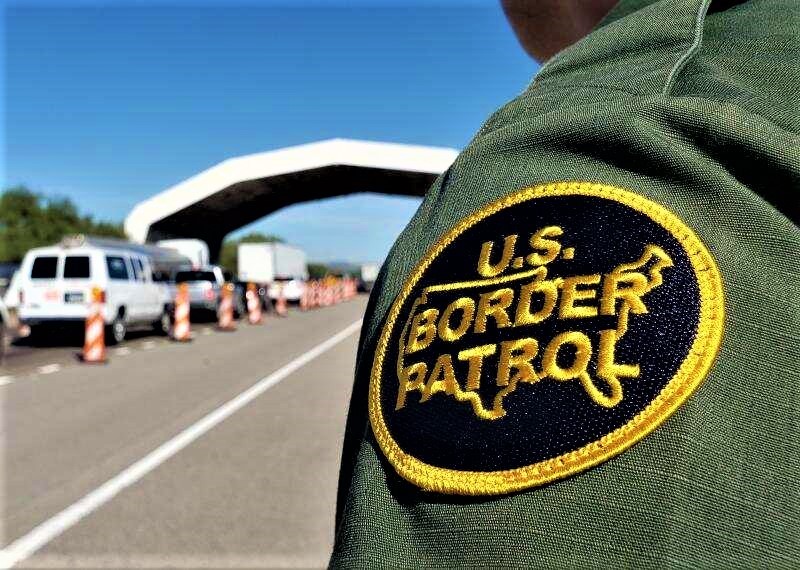
U.S. Border Patrol has reported conducting cabotage enforcement against Mexican truck drivers at the southern border in recent weeks.
Recently, a Mexican truck driver’s visa was revoked after he was discovered to have transported commodities from Nogales, Arizona to Laredo, Texas.
Similar action was taken in March after Border Patrol agents discovered that a Mexican truck driver engaged in cabotage by transporting a commercial load of produce from Yuma, Arizona to Grandview, Washington.