Union Pacific refiles application for merger with Norfolk Southern in move they say would remove “2.1 million trucks from US highways”
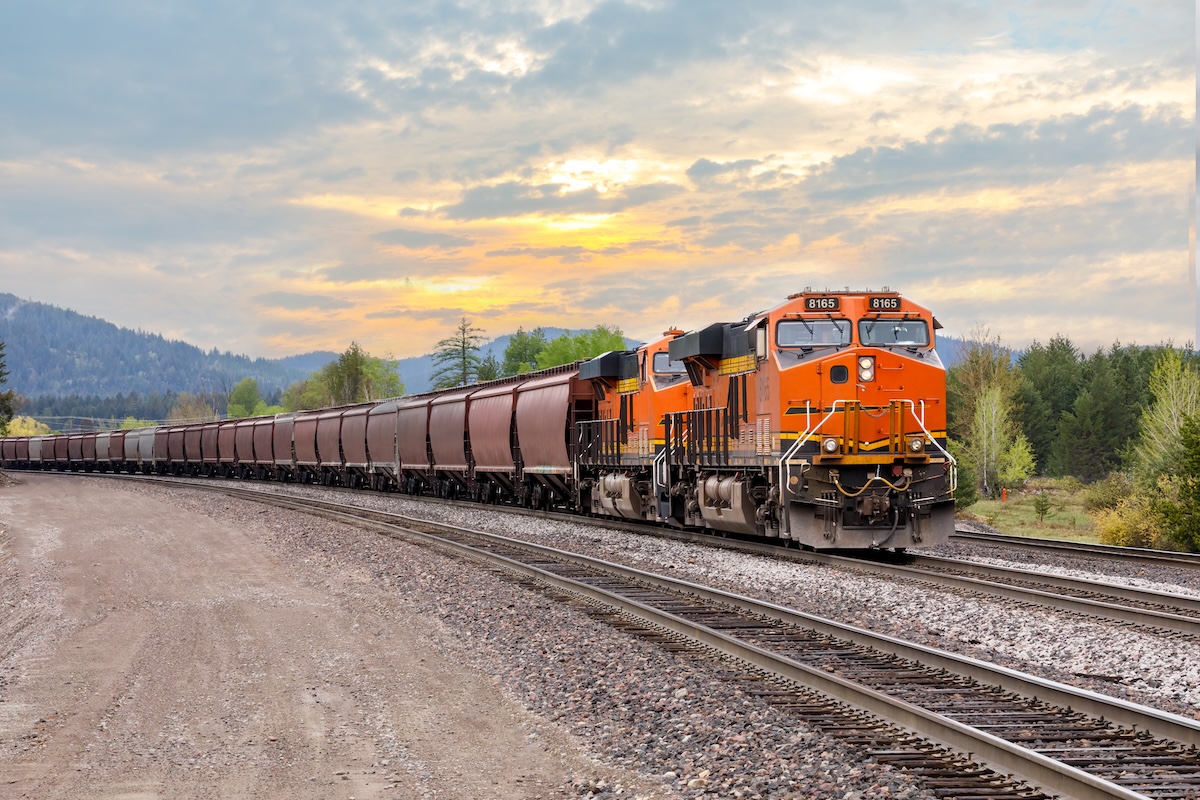
Union Pacific has refiled its application for a merger with Norfolk Southern in a move they say would take 2.1 million trucks off of US highways.
In January 2026, the U.S. Surface Transportation Board rejected the company’s application filed in the summer of 2025 due to lack of information on the deal’s effect on the five remaining major freight railroads and the impact to customers. Last week, the company refiled the application with a solid case for the benefits of the merger.
The merger would link the two railroads currently owned by separate companies, allowing for a 50,000 mile railroad stretching from the east coast to the west coast. This continuous track would potentially reduce a cross country freight haul by one or two days by eliminating the transfer between railroads in the middle of the country. Union Pacific says that this trans continental track would take 2.1 million trucks off of highways and shift those loads to train cars.
According to WINK News, Union Pacific must prove in the refiling that the merger will enhance competition between railroads rather than disrupt freight flow as the companies work to streamline their networks. If the STB denies the merger again, Union Pacific would owe $750 million to Norfolk Southern as part of a breakup fee.
Competitor railroads BNSF and CPKC joined a coalition last Wednesday to highlight concerns over the deal, including damages to shippers and consumers due to higher rates caused by less competition.
“This did not begin with a customer asking for a UP-NS merger to happen,” BNSF CEO Katie Farmer said. “It’s driven by Wall Street on the promise of a big shareholder payout. It will eliminate competition, raise costs for consumers, and destabilize the supply chain that powers the American economy.”
Union Pacific claims that the merger would shift which railroad company dominates the shipping market, but would not drastically alter the percentage of freight carried by railroad overall.
If STB accepts the new application, regulators will most likely analyze the deal for more than a year before they approve it.