USDOT highlights efforts to ‘clean up the trucking industry’ over the past year
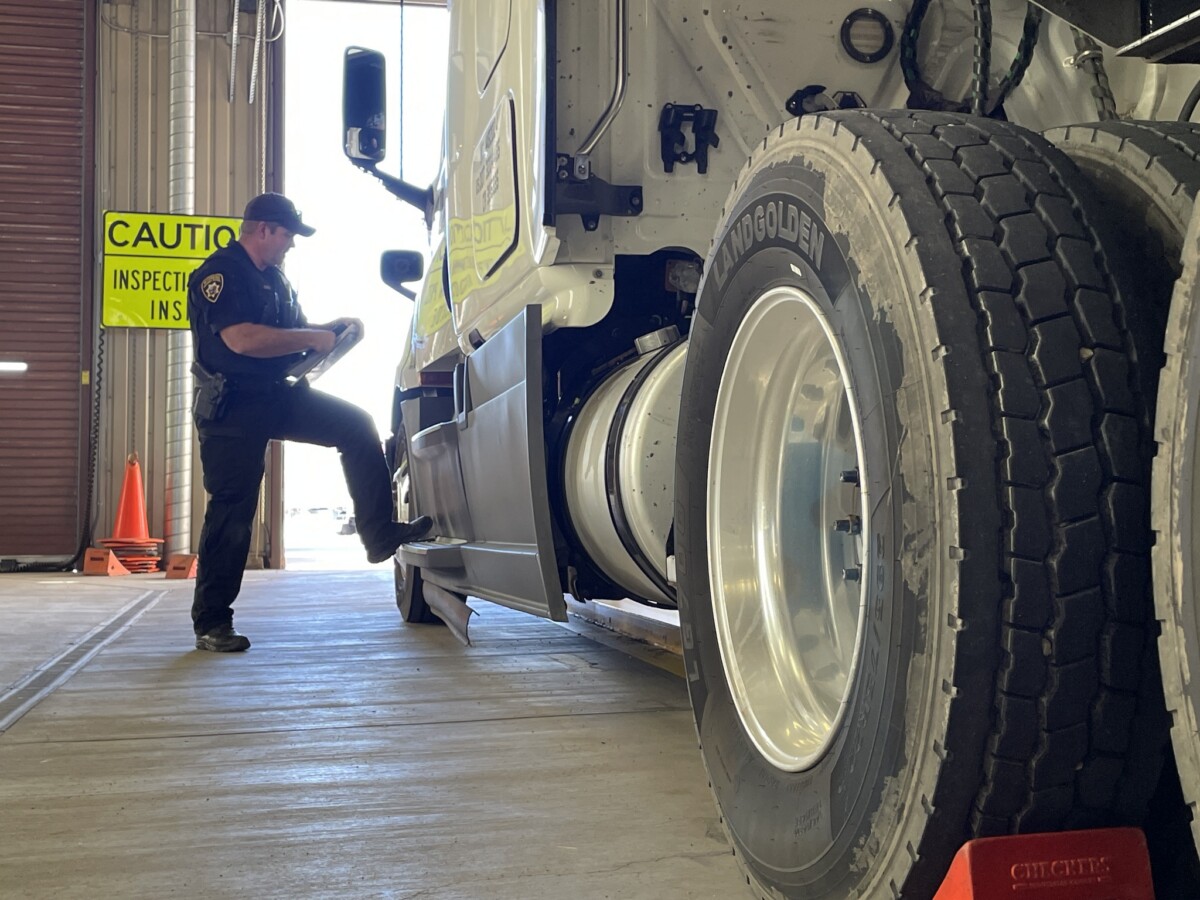
The U.S. Department of Transportation (USDOT) is calling attention to the efforts made over the past year to transform the trucking industry by increasing enforcement of English language requirements and cracking down on non-domiciled Commercial Driver’s Licenses (CDLs).
A year ago this week, President Trump signed “Enforcing Commonsense Rules of the Road for America’s Truck Drivers,” an Executive Order that pushed for increased English Language Proficiency (ELP) enforcement, stronger CDL standards, and improvements to day-to-day working conditions for truckers.
On May 1, 2026, Transportation Secretary Sean P. Duffy and the Federal Motor Carrier Safety Administration (FMCSA) issued a news release looking back on the past year of change within the trucking industry.
“The Trump Administration has hit major milestones in our efforts to rein in the trucking industry which has been allowed to operate like the Wild, Wild West for far too long,” said U. S. Transportation Secretary Sean Duffy. “We’ve brought back common sense rules of the road including requiring English language proficiency and valid working documents for foreign drivers. When state leaders failed to keep Americans on the road safe, we stepped in and held them accountable and we’re just getting started.”
“I’ve spent my life looking out for the folks on our highways, and I’m telling you, these drivers are the heartbeat of this country,” said FMCSA Administrator Derek Barrs. “This administration is finally giving our truckers the support they’ve earned to get the job done and get home safe to their families.”
See below for USDOT’s summary of actions taken since the Executive Order was signed on April 28, 2025.
How the Trump Administration is Cleaning Up the Trucking Industry:
Ensuring Commercial Motor Vehicle Drivers Speak English
- In May 2025, Secretary Duffy issued new guidance to enforce English Language Proficiency standards, rescinding an Obama-era policy that relaxed the rules around enforcing English proficiency. In June 2025, ELP was officially reincorporated.
- FMCSA is implementing English-only testing for drivers—a commonsense rule that ensures big-rig drivers can effectively communicate with law enforcement.
- FMCSA withheld $40 million from California in October 2025 for refusing to enforce ELP standards. As a result, California officially began enforcing ELP in January 2026.
- Since June 2025, more than 20,000 truckers have been kicked out of service for failing to meet basic requirements.
Cracking Down on States Issuing Foreign Drivers Illegal Licenses
- In June 2025, FMCSA launched a nationwide audit to hold states accountable for illegally issuing non-domiciled Commercial Driver’s Licenses (CDLs).
- FMCSA has identified 30+ states issuing non-compliant CDLs and sent official enforcement actions to 26 states.
- FMCSA withheld $160 million from California (Jan 2026) and $73 million from New York (April 2026) for failing to revoke illegally issued non-domiciled CDLs.
- FMCSA finalized its rule in February 2026 to stop unqualified foreign drivers from obtaining a non-domiciled CDL.
- More than 28,000 illegally issued licenses have been successfully revoked nationwide.
- FMCSA mobilized 300+ investigators across all 50 states in December 2025 to audit approximately 1,500 training providers.
- More than 6,800 unqualified training providers were removed from the FMCSA registry in the past year.
Supporting America’s Truck Drivers
- FMCSA has invested more than $300 million in truck parking grants since April 2025.
- FMCSA is actively engaging with drivers to ensure trucker voices are heard. In March 2026, Secretary Duffy joined the Mid-America Trucking Show in Kentucky with more than 53,000 truckers from all 50 states.
- FMCSA and NHTSA withdrew the joint rulemaking proposing speed limiters on heavy vehicles, as it became a safety hazard when drivers were forced to go slower than the flow of traffic.
- FMCSA affirmed the Electronic Logging Device exemption for pre-2000 model year trucks.
- FMCSA is proposing to eliminate over 1,800 words of federal regulations, saving the industry millions annually.
- FMCSA introduced two pilot programs to study whether giving drivers more control over their own schedules will increase safety and reduce fatigue:
- Flexible Sleeper Berth: Allows drivers to split their 10-hour off-duty period.
- Split Duty Periods: Allows drivers to pause their 14-hour on-duty clock for 30 minutes to 3 hours.
- FMCSA prohibits motor carriers, shippers, receivers, and brokers from pressuring drivers to violate federal safety regulations. FMCSA recently issued official guidance to help drivers navigate these issues.
- In April 2026, FMCSA rolled out an upgraded DataQs process to ensure fair, impartial, and timely due process for drivers correcting their safety records.
- FMCSA upgraded its complaint system (NCCDB) to a mobile-friendly platform with faster response times and new categories for noncompliant brokers and training providers.
- FMCSA launched a refreshed, mobile-friendly driver resources webpage.