World’s largest commercial vehicle inspection blitz starts throughout North America tomorrow
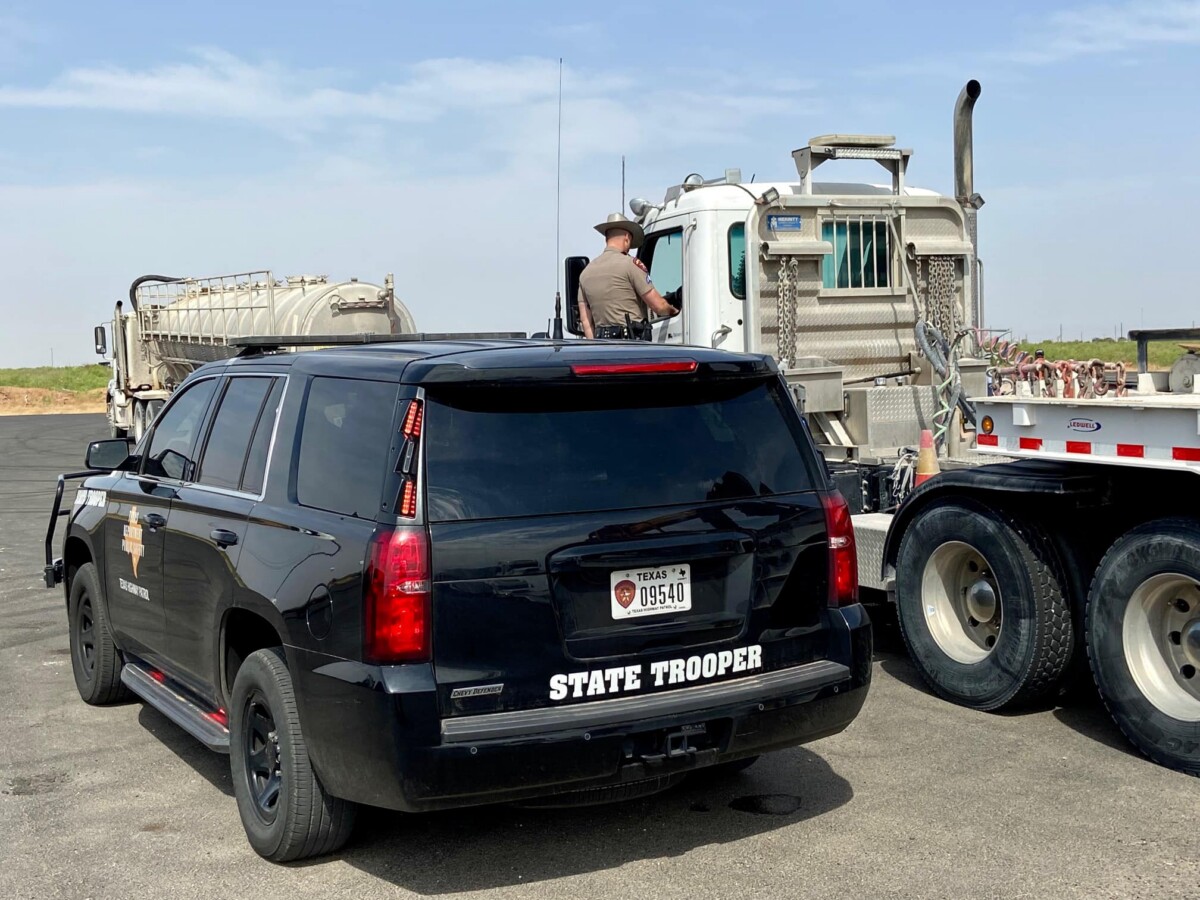
Commercial vehicle inspectors across North America are gearing up for this week’s massive 72-hour inspection and enforcement campaign.
When And Where Is CVSA Roadcheck?
The Commercial Vehicle Safety Alliance’s (CVSA) International Roadcheck inspection and enforcement effort is set for May 12 through 14, 2026.
During Roadcheck, inspectors throughout North America will operate out of weigh/inspection stations and pop-up inspection sites to check commercial vehicles and commercial vehicle drivers for compliance with safety regulations.
The CVSA says that International Roadcheck is “the largest targeted enforcement program on commercial motor vehicles in the world.”
What Are The Focus Areas For Roadcheck 2026?
The two focus areas for Roadcheck this year are Electronic Logging Device (ELD) tampering and cargo securement.
During the inspection, the inspector will review the driver’s record of duty status as usual and check for false or manipulated entries, with a focus on ELD tampering.
“Inaccurate ELD entries may result from a driver’s lack of understanding of the federal regulations and exemptions. However, in some cases, inaccurate entries are purposefully used to conceal hours-of-service violations, and some records are manipulated to conceal driving time (with no indication the record was edited as required by federal regulations),” CVSA said.
Officers will also pay special attention to cargo securement during Roadcheck inspections this year.
The CVSA said that in 2025, 18,108 violations were issued because cargo was not secured to prevent leaking/spilling/blowing/falling, and 16,054 violations were issued for vehicle components or dunnage not being secured.
What Happens During A Roadcheck Inspection?
Most truckers will undergo a two-part North American Standard Level I Inspection during Roadcheck.
The Level I inspection includes a driver portion, during which inspectors check the driver’s qualifications, license, record of duty status, medical examiner’s certificate, seat belt usage, skill performance evaluation certificate (if applicable), and status in the Drug and Alcohol Clearinghouse (in the U.S.).
The Level I inspection also includes a vehicle portion, during which inspectors will assess the vehicle’s brake systems, cargo securement, coupling devices, driveline/driveshaft components, driver’s seat, fuel and exhaust systems, frames, lighting devices, steering mechanisms, suspensions, tires, wheels, rims, hubs, and windshield wipers.
Following a successful Level I or Level V inspection, a CVSA decal may be awarded. The CVSA decal is valid for three months and signals that the commercial vehicle was recently inspected and found to have no critical out-of-service violations.